
Confused by terms like "super clone1" or "1:1"? You worry about overpaying for a cheap watch. I'll explain what top-tier quality really means.
A 1:1 replica, also called a super clone, is the highest grade of replica watch. It uses materials identical to the genuine article, like 904L steel, and features a near-perfect clone movement. It is visually indistinguishable from the real watch to the naked eye.
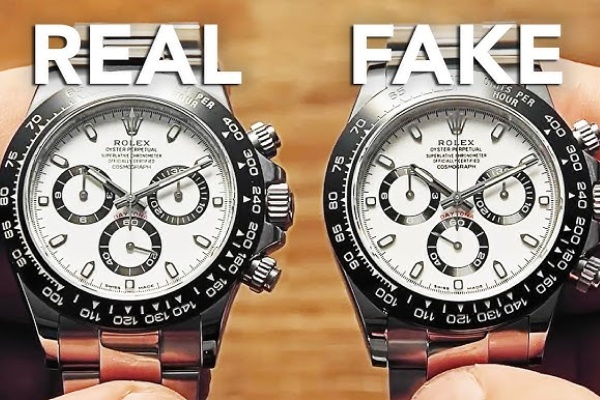
The term "1:1" gets thrown around a lot by sellers. Unfortunately, most of them are lying. A true 1:1 or super clone is not just a good copy; it's a piece of precision engineering. It represents the absolute pinnacle of what the replica industry can achieve. To really understand the quality you're paying for, you need to know what sets these elite watches apart from all the others. Let's dive into the details.
Are "super clone," "12A," and "1:1" all the same thing?
You see sellers using confusing terms like 7A, 12A, and AAA. This makes it easy for them to deceive you into buying a lower-quality watch.
Yes, "1:1," "super clone," and "master copy2" all refer to the same top tier of quality. However, older terms like "12A" or "7A" are often used by sellers to misrepresent lower-quality watches. Sticking to the term "super clone" is the safest bet.
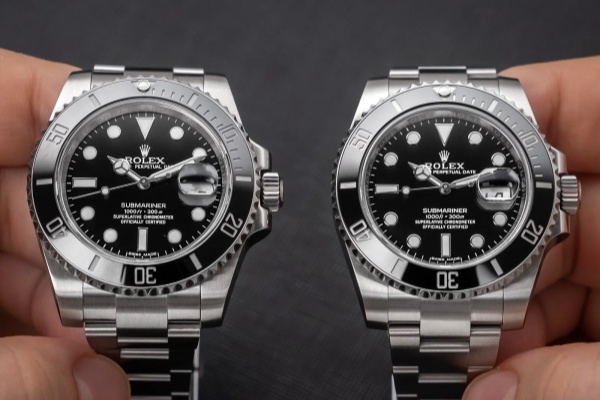
The terminology in the replica world can be a minefield, designed to confuse new buyers. Over the years, the names for different quality tiers have changed. A decade ago, "AAA" might have meant the best available. Today, it refers to a very low-grade replica. The same goes for terms like "7A" or "12A," which are outdated grades from the Asian market. Dishonest sellers still use these impressive-sounding terms to sell inferior products. The modern, accepted terms for the absolute best quality are "1:1" and "super clone." These watches come from elite factories like Clean, VSF, and ZF. They are the only watches that truly live up to the promise of being a near-perfect copy. For a more detailed breakdown of every quality level, you can read my other guide on the topic here.
What makes the materials in a 1:1 replica so special?
You assume all fake watches feel cheap and light. You are afraid that the watch will feel flimsy in your hand or the glass will scratch easily.
A 1:1 replica is special because it uses the exact same high-grade materials as the genuine watch. This includes solid 904L stainless steel for the case and bracelet and a real, dual-coated sapphire crystal3 for the glass.
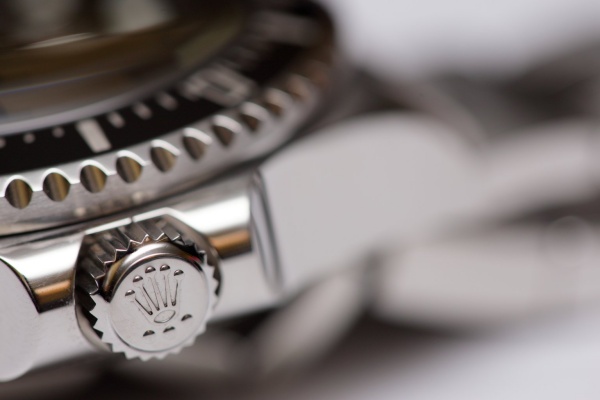
The difference between a cheap fake and a super clone starts with the materials. It's something you can literally feel. Cheaper replicas use basic 316L steel, which is fine, but it doesn't have the same weight or luster as what the top luxury brands use.
The Steel: 904L
A true 1:1 Rolex replica from a factory like Clean is made from a solid block of 904L stainless steel. This is the exact same grade that Rolex markets as "Oystersteel." It's not just a marketing gimmick. 904L steel is more resistant to corrosion and has a visibly brighter sheen when it's polished. This means the watch has the correct, substantial weight in your hand and reflects light in the same way as a genuine Rolex.
The Crystal: Sapphire
Low-end fakes use mineral glass, which scratches easily. A super clone uses a genuine sapphire crystal, which is virtually scratch-proof. But the factories go a step further. They replicate the dual anti-reflective (AR) coating that Swiss brands use. They even replicate the tiny, laser-etched crown logo4 at the 6 o'clock position on the crystal, a detail that's almost invisible to the naked eye.
How easily can a 1:1 replica be spotted?
Your biggest fear is getting "called out." The thought of someone pointing out your watch is fake is a major source of anxiety and holds you back.
It is virtually impossible for anyone to spot a 1:1 super clone in any real-world social situation. Identifying one requires a trained expert using a 10x magnification loupe or a microscope to inspect microscopic details5.

This is the most important question for most buyers, and the answer should give you complete peace of mind. A 1:1 replica is not a watch that looks good from ten feet away. It's a watch that looks perfect from one foot away. At a normal social distance, nobody—not even a watch enthusiast—can spot it. The colors are right, the weight is right, the shine is right. To find any tells, a person would need to take the watch off your wrist and examine it with a jeweler's loupe. What would they be looking for? They'd be checking for microscopic inconsistencies in the font printing on the dial, the exact finishing on the edges of the hands, or the internal construction of the clone movement. This is a level of scrutiny that simply never happens in reality. You can wear a super clone to a business meeting, a dinner party, or a wedding with absolute confidence.
Conclusion
A true 1:1 replica is the pinnacle of the craft. It's an exact copy that offers the full luxury experience, indistinguishable to anyone without a microscope.
Learn about super clones and how they compare to other replica watches in terms of quality and craftsmanship. ↩
Understand the term 'master copy' and its relation to the quality of replica watches. ↩
Find out how dual-coated sapphire crystal improves scratch resistance and clarity in high-end watches. ↩
Explore the significance of the laser-etched crown logo and its role in authenticating luxury watches. ↩
Discover how microscopic details can determine the authenticity of a watch and the expertise required. ↩