
You love your Tag Heuer, but a small doubt lingers. Is it real? The fear of owning a fake is real, but a few simple checks can give you certainty.
Most fake Tag Heuers use a cheap quartz movement, especially chronographs. Also, look for shallow caseback engravings1 and messy dial printing2. These are dead giveaways for a low-quality fake.

From my experience as a dealer, the replica world for TAG Heuer isn't as advanced as it is for Rolex. The customer base is smaller, which means less profit for the big factories. So, they don't invest the same time and money into perfecting these models. The good news for you is that this makes spotting fakes much easier. The top-tier TAG reps are limited to a few XF Factory Carreras and some special custom builds from OF. This means most fakes you'll encounter are low-quality and easy to identify once you know the secrets.
Does the Movement Instantly Reveal a Fake?
Your chronograph looks impressive, but the hands don't sweep smoothly. You worry this is a sign of a fake, but aren't sure what it means. It's the biggest red flag.
Yes. Most fake Tag Heuer chronographs use a cheap quartz movement where the sub-dials tick once per second. A genuine mechanical chronograph3 will have a smooth sweep for the main chrono hand.
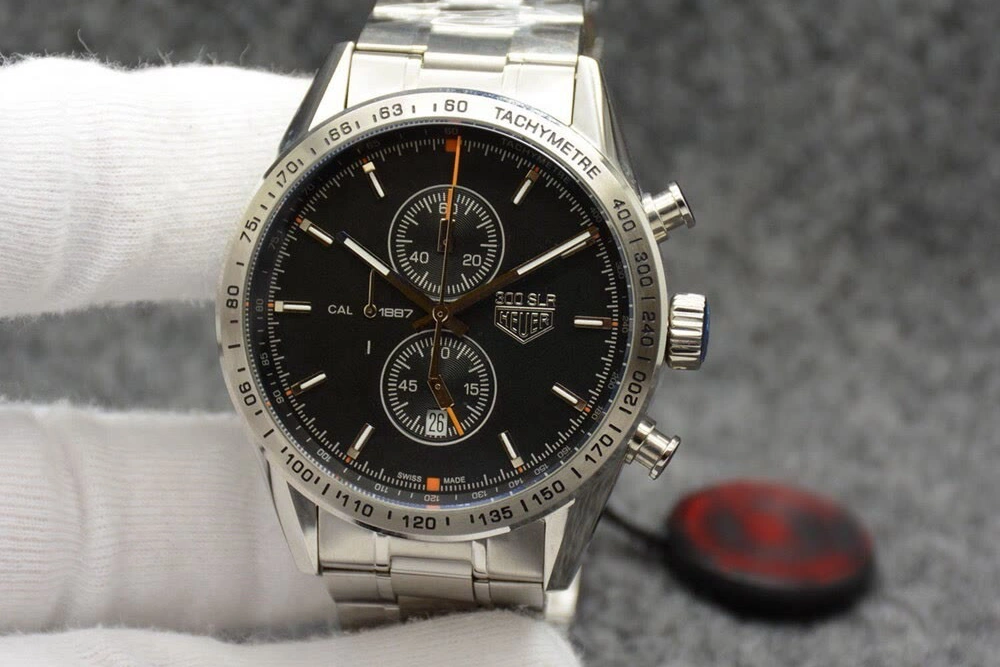
This is the easiest and fastest check you can do. Mechanical chronograph movements are incredibly complex and expensive to produce. Low-end factories don't even try to fake them. Instead, they use a cheap, battery-powered quartz chronograph movement. The dead giveaway is the motion of the hands. Start the chronograph function by pushing the top button. If the large central seconds hand ticks forward once per second instead of sweeping smoothly, it's almost certainly a fake. The same goes for the small sub-dials; they will also often tick. A real TAG Heuer automatic chronograph will have a much smoother motion. This simple test exposes the vast majority of fake TAGs on the market because it reveals the cheap engine they tried to hide inside a flashy case.
| Feature | Low-End Fake (Quartz) | Genuine/High-End Replica (Mechanical) |
|---|---|---|
| Main Chrono Hand | Ticks once per second. | Sweeps smoothly (several beats per second). |
| Movement Noise | Faint "tick-tick" sound. | A quiet whirring or almost no sound. |
| Reset Action | Hands may slowly rotate back to zero. | Hands snap back instantly to 12 o'clock. |
What Dial Details Expose a Low-Quality Fake?
The dial looks okay from a distance. But up close, something feels cheap. You can't put your finger on it, but it lacks the premium look you expect from a Swiss watch.
Look at the hour markers and the logo. Fakes have sharp, unfinished markers that don't reflect light well. The printing for the logo will be flat, with blurry edges or ink bleed.
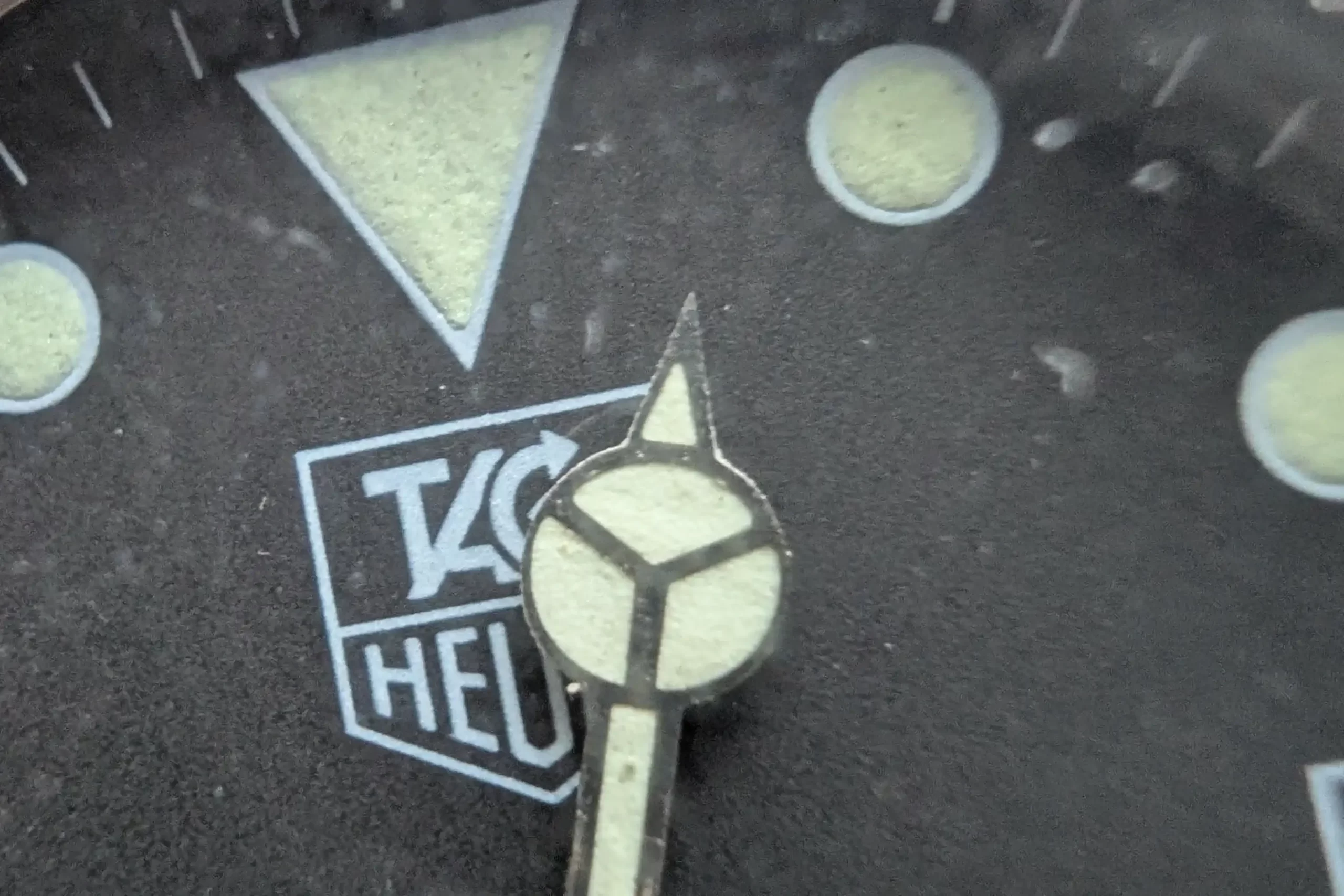
The dial is where a watch's quality truly shines, and it's where cheap factories always cut corners. Use your phone's camera to zoom in and inspect two key areas. First, look at the applied hour markers4. On a genuine TAG Heuer, these small metal bars are beautifully finished with beveled, polished edges that catch and play with the light. On a fake, they are often just raw, stamped pieces of metal with sharp, unfinished edges that look dull. Second, examine the printing of the "TAG Heuer" logo and other text. Genuine dials use a method that creates a crisp, slightly raised print with a three-dimensional feel. The edges are perfectly sharp. On a fake, the printing is flat and often looks like it was done on a cheap office printer, with fuzzy edges where the ink has bled into the dial's surface. These small details may seem minor, but they are a huge sign of low-quality manufacturing5.
Is the Caseback Engraving the Final Proof?
You flip the watch over to check the back. The text is there, but it looks weak and faint. You wonder if a genuine Swiss watch would have such poor engraving.
Yes. A genuine Tag Heuer has deep, crisp engravings on the caseback. Most fakes use a shallow laser etching that looks faint and smooth. A fake serial number6 will also not show up online.
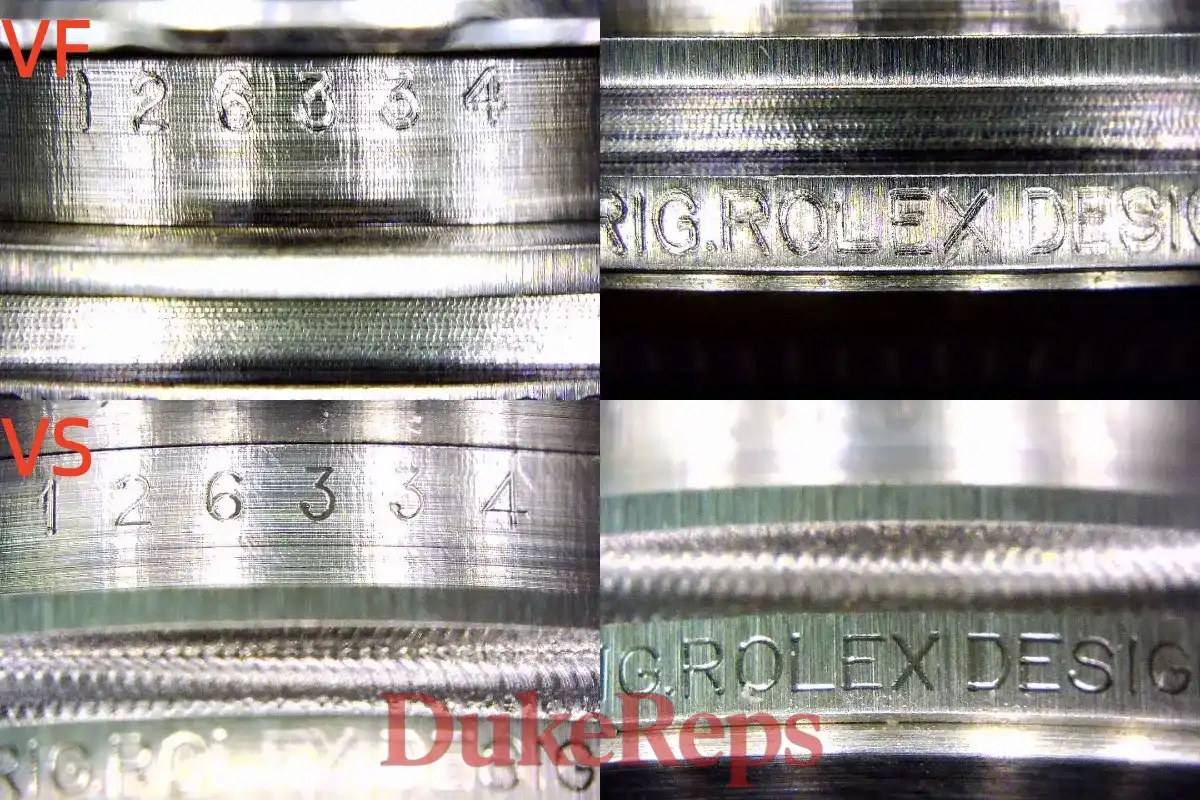
This is another classic sign that separates the real from the fake. A genuine TAG Heuer caseback is engraved using high pressure, creating text that is deep, sharp, and has a real sense of quality. You can often feel the depth with your fingernail. A fake watch, on the other hand, is almost always marked using a cheap laser. This process only burns the surface of the metal, resulting in a shallow, faint engraving that looks more like a light sketch. It lacks depth and character. Furthermore, you can try to verify the serial number. Because the market for fake TAGs is small and less sophisticated, counterfeiters don't bother using valid serial numbers from real watches. If you search the serial number on your watch and it doesn't appear in any official database or registry online, it's almost certainly a fake. This combination of a shallow engraving and a bogus serial number is definitive proof.
Conclusion
Check for a quartz movement, poor dial details, and shallow caseback engraving. These simple checks will almost always reveal a fake Tag Heuer watch.
---Learn how to spot shallow engravings to ensure your watch is genuine and of high quality. ↩
Discover how dial printing quality can reveal the authenticity of a watch. ↩
Understanding mechanical chronographs can help you distinguish between genuine and fake watches. ↩
Explore the significance of applied hour markers in determining watch authenticity. ↩
Identifying signs of low-quality manufacturing can save you from buying a fake watch. ↩
Knowing how to verify serial numbers can help you avoid purchasing counterfeit watches. ↩