
You're about to invest in a Patek Philippe, but you're terrified of buying a convincing fake. The high price tag makes the risk of getting scammed feel enormous.
Forget the dial. The fastest way is to check the movement through the caseback. A genuine Patek is "free-sprung1" and has no regulator2 arm. If you see that little adjustment lever, it's a replica3.
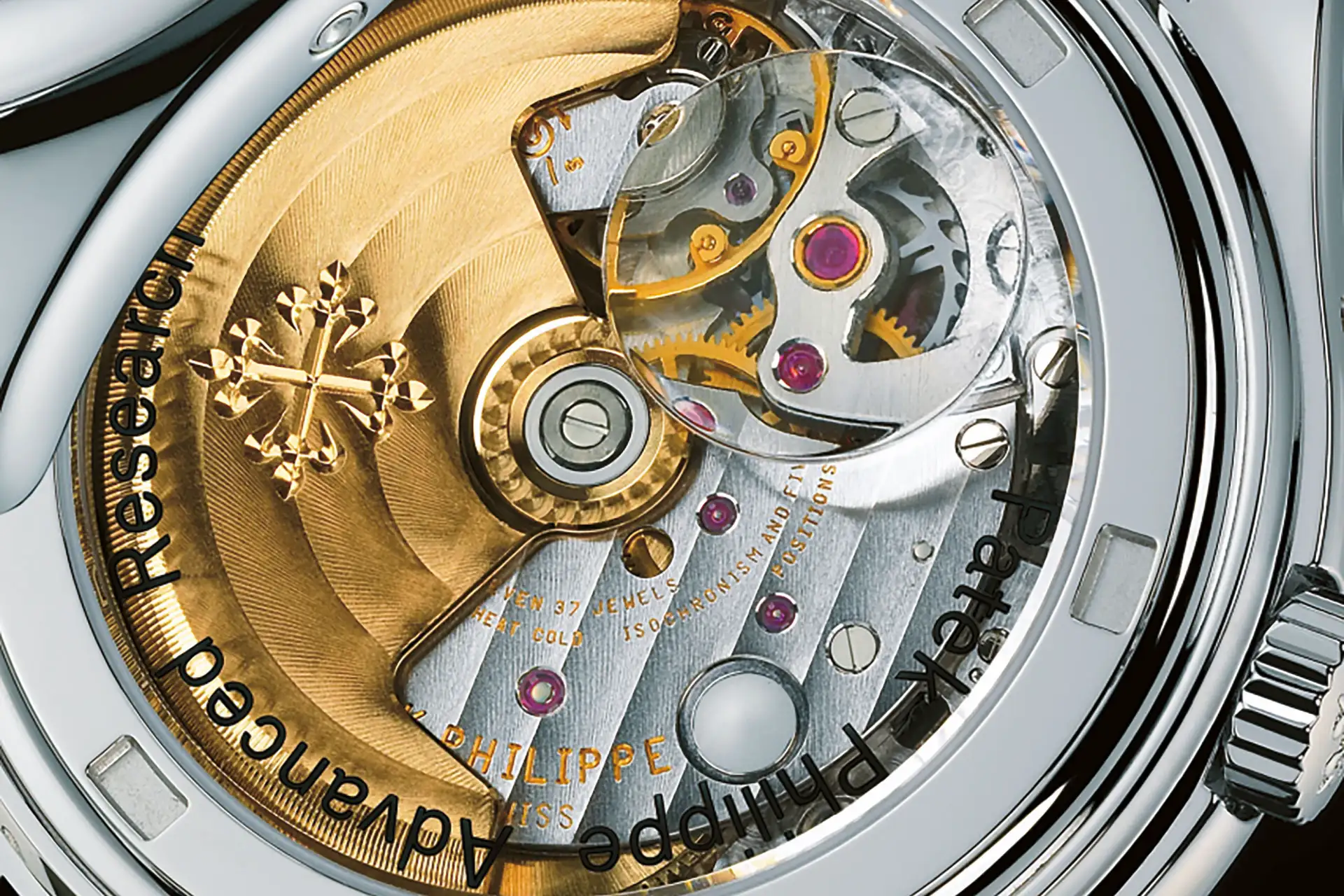
I've been in this business for over ten years, and the evolution of Patek Philippe replicas is astonishing. The top models, like the Nautilus4 and Aquanaut5, are incredibly popular, and the factories have poured millions into perfecting them. Today's super clones are so good on the outside that even experienced people can be fooled by a quick glance. The brushing on the case, the sunburst on the dial, the weight of the bracelet—it's all there. That’s why you have to stop looking at the face of the watch and learn to look at its heart: the movement.
Can you tell a fake Patek by its looks alone?
You see a Patek that looks perfect—the brushing, the polish, the dial. You start to trust it, but a nagging doubt remains. Is it just too good to be true?
Almost never. Top-tier replicas of the Nautilus 5711 and Aquanaut 5167 have become so accurate in their case, dial, and bracelet finishing that external examination is no longer a reliable method for authentication.
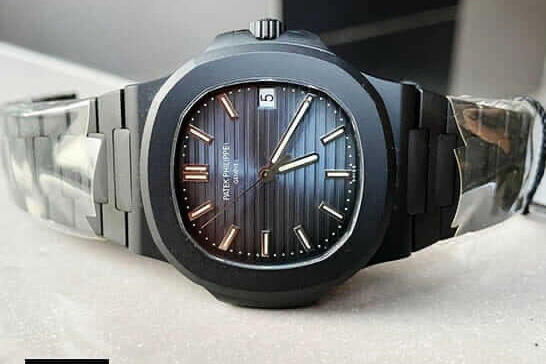
The truth is, for the most popular models, the visual game is over. Factories are using top-tier clone movements like the DD3246 and DD330. These aren't just cheap movements with a decorative plate on top; they are fully "integrated" clones, built from the ground up to mimic the architecture of the real Patek calibre. They beat at a smooth 28,800 vibrations per hour, giving you that perfect, sweeping second hand. The finishing on the case, the crispness of the dial printing, and the articulation of the bracelet are now so good that you can't rely on them to spot a fake. I've handled countless genuine and replica Pateks, and I can tell you that without a loupe and specific knowledge, telling them apart from the outside is nearly impossible. This is why we must go deeper.
What is the number one giveaway on a fake Patek movement?
You flip the watch over to see the beautiful movement. It looks complex and impressive, but you don't know what specific part to look for. You feel lost in the details.
Look for the regulator. It’s a small lever used for timing adjustments on most standard movements. Genuine Patek movements are 'free-sprung' and do not have this lever. If you see it, it's a replica.
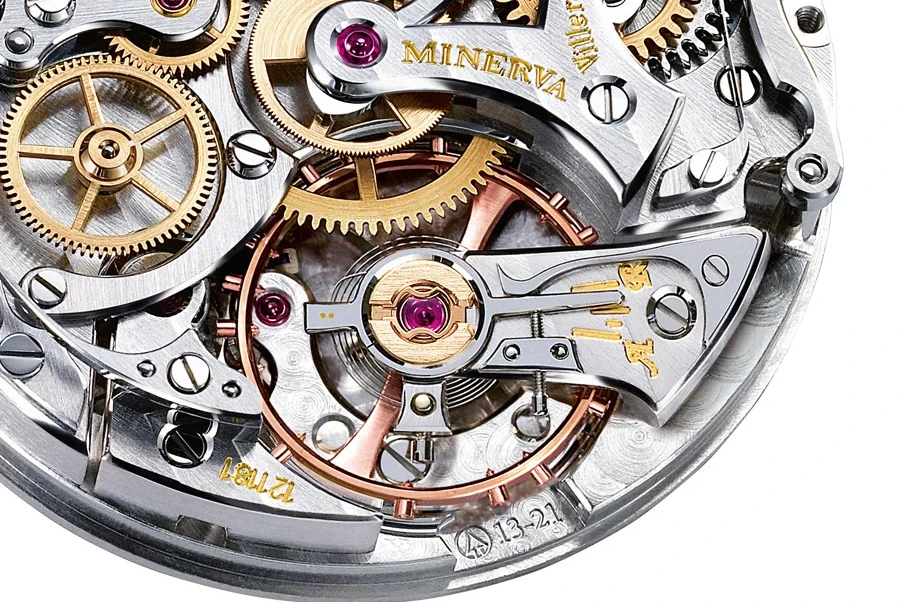
This is the single most important tell, and it's something you can learn to spot easily. All mechanical watch movements have a balance wheel that oscillates back and forth to keep time. The rate of this oscillation needs to be adjustable.
How to Spot the Difference
- Replica Movements: Most watch movements, including many high-quality replica clones, use a regulator. This is a small lever that can be pushed back and forth to change the active length of the hairspring, speeding up or slowing down the watch. It’s the simplest and cheapest way to allow for adjustment.
- Genuine Patek Philippe: Patek Philippe uses a free-sprung balance. Instead of a regulator lever, the rate is adjusted by turning tiny weights directly on the balance wheel itself. This system is more stable, more shock-resistant, and provides better timekeeping over the long run. It is also much more difficult and expensive to produce and adjust.
If you look through the caseback and see that little adjustment lever on the balance bridge, the conversation is over. It’s a tell-tale sign of a replica.
| Feature | Genuine Patek Philippe | Most Replica Pateks |
|---|---|---|
| Balance Type | Free-Sprung | Regulated |
| Adjustment Method | Weights on balance wheel | Regulator lever |
| Visual Cue | No adjustment lever | Obvious adjustment lever |
What other movement details reveal a replica Patek?
You've checked for the regulator, and it's not there. You think you might have a genuine piece, but you want to be absolutely certain before making a decision.
Check the color of the rotor bearings. Genuine Patek uses grey-white ceramic bearings, while replicas almost always use silver-colored steel. Also, examine the tiny weights on the balance wheel; replicas often fail to replicate their specific shape.
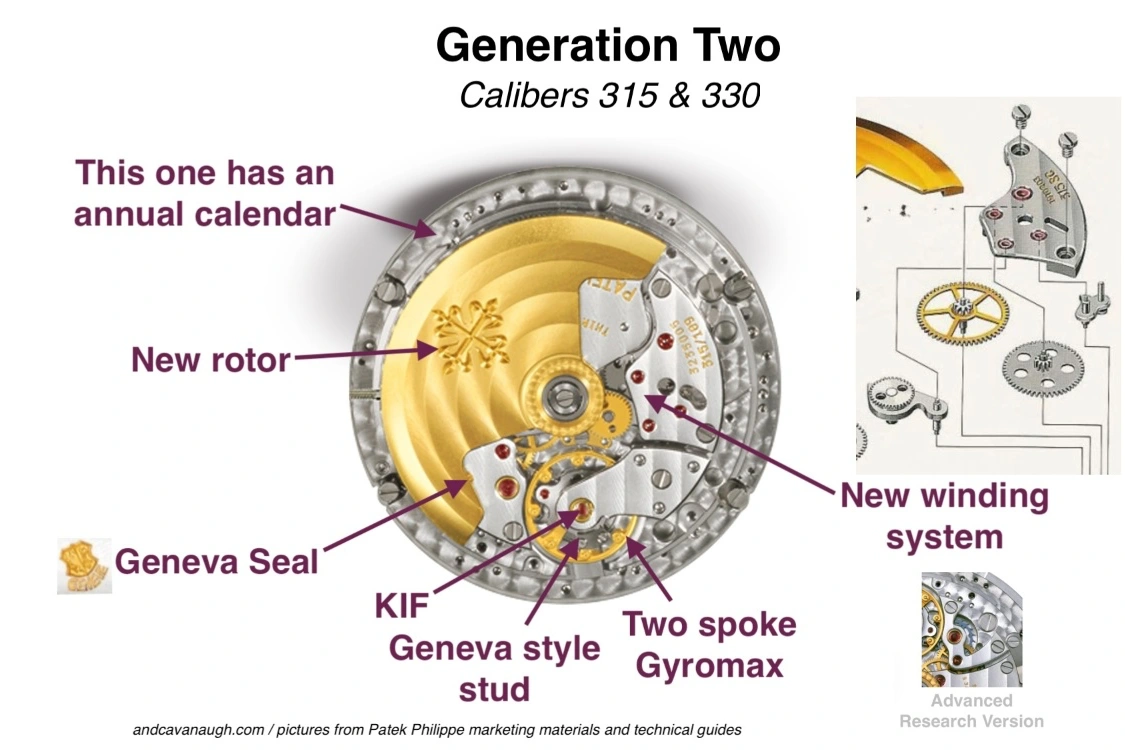
If you're looking at a high-end clone that has correctly omitted the regulator, there are still a few micro-details that give the game away. These require a closer look, maybe even a photo that you can zoom in on.
Rotor Bearings: Ceramic vs. Steel
The automatic winding rotor needs to spin freely. It sits on a set of ball bearings. To reduce friction and wear, Patek Philippe uses high-tech ceramic ball bearings. These bearings are a dull, greyish-white color. Replica movements, even the best ones, almost always use standard steel ball bearings because they are much cheaper. These will look like shiny, metallic silver. It’s a simple color check: grey-white means genuine, shiny silver means replica.
Balance Wheel Weights: The Gyromax System
This is a more advanced check. As we discussed, a genuine Patek is adjusted using weights on the balance wheel. This is called the Gyromax system7. These weights have very specific shapes, often looking like tiny half-moons or collars that fit around the rim of the wheel. Replicating these tiny, perfectly shaped and poised components is extremely difficult. Replica free-sprung balances often use simpler, circular weights or have shapes that are not as clean and defined as the genuine Patek system.
Conclusion
Externally, top Patek replicas are nearly perfect. To spot a fake, you must check the movement for a regulator, steel bearings, and incorrect balance weights. It's the only sure way.
Learn about the free-sprung balance mechanism and why it's a hallmark of genuine Patek Philippe watches. ↩
Discover the function of a regulator in watch movements and why its absence is a key indicator of authenticity. ↩
This resource will provide tips on spotting high-quality replicas and protecting your investment. ↩
Uncover the features that contribute to the Nautilus's popularity and how to identify genuine models. ↩
Explore the unique characteristics of the Aquanaut and learn how to spot a fake. ↩
Gain insights into the DD324 movement and its importance in authenticating Patek Philippe timepieces. ↩
Understand the Gyromax system and its role in the precision of Patek Philippe movements. ↩