
You've seen photos of modern "superclones" and they look perfect. But you're worried. Is there a hidden flaw that an expert could spot from across the room, embarrassing you?
Even the best replicas have tiny flaws. Experts can spot differences in the serial number engraving, the internal movement finishing, and most importantly, the balance wheel assembly, which is not a 1:1 copy.
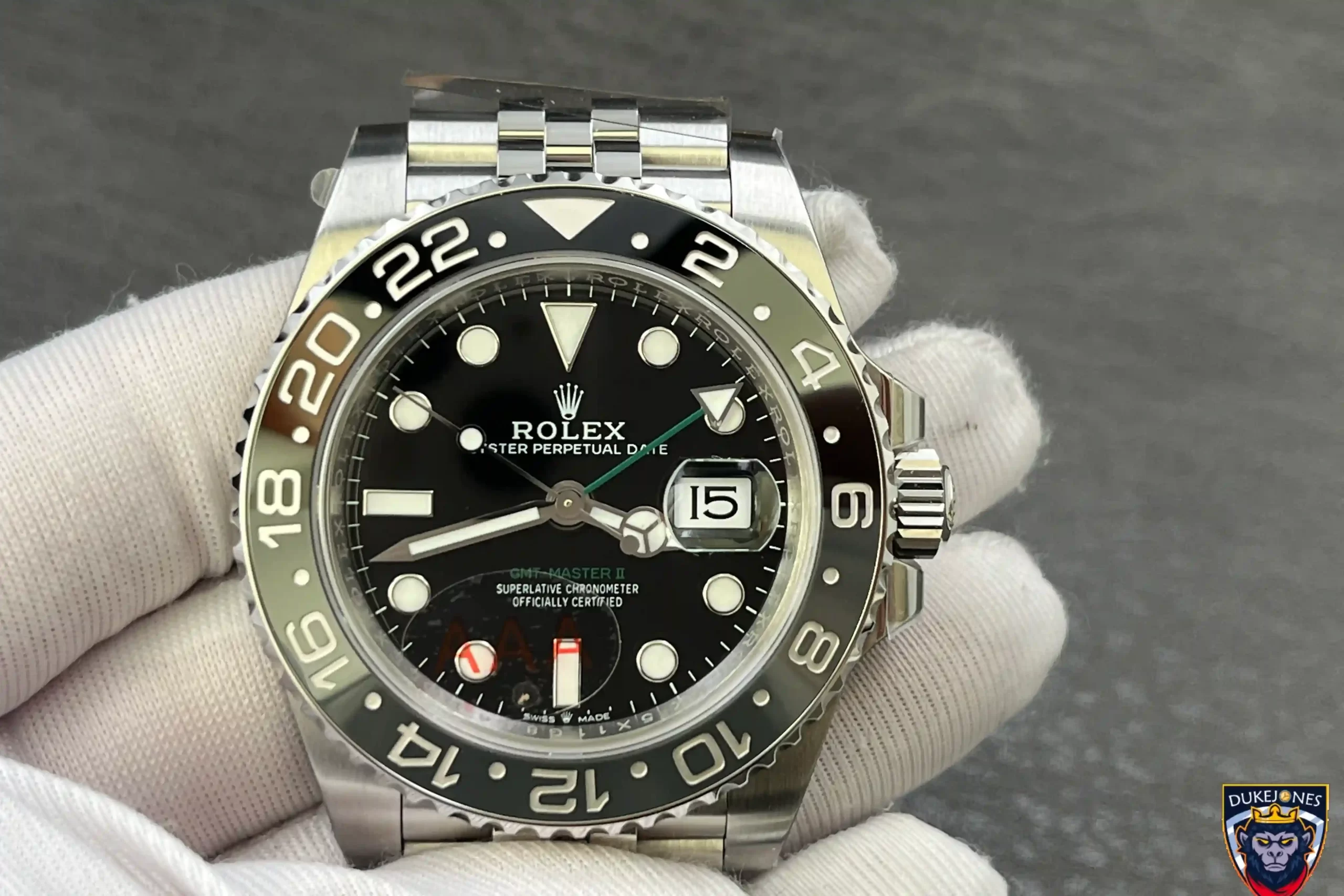
I handle these watches every single day, and I can tell you that the top factories have achieved something amazing. Externally, things like the font, the ceramic bezel, the case shape, and the polishing are almost indistinguishable from the genuine article. Even the central pinion for the hands is now perfectly finished. For 99% of people, including most jewelers, telling the difference without opening the watch is nearly impossible. But for the true enthusiast who wants to know everything, there are still a few subtle "tells" that separate a $10,000 watch from a $500 one. Let's look at them.
Is the Movement the Biggest Giveaway on a Rolex Superclone?
You've heard the movement is the heart of the watch. You see pictures of the clone movements, and they look complicated and impressive, but you don't know the key detail that experts look for.
Yes. The biggest technical difference is the balance assembly. The best replicas use a standard regulator arm, while genuine modern Rolex movements use a more advanced "free-sprung" balance.
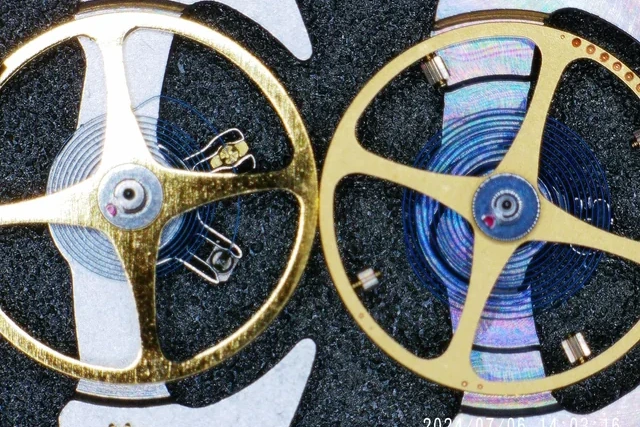
This is the number one technical difference, and it's the most significant flaw. Of course, it's completely hidden by Rolex's solid steel caseback, so it's more of a theoretical flaw than a practical one for daily wear. Still, it's important to understand. The factories have cloned the look of the movement plates and bridges, but they have not been able to replicate Rolex's specific regulating system. This is where the real watchmaking magic happens, and it's too complex and expensive to copy perfectly.
The Regulator vs. The Free-Sprung Balance
Think of it like this: a standard regulator is like a simple lever you move back and forth to make the watch run faster or slower. You can see this little lever, sometimes called a "fast/slow needle," on the balance bridge. A free-sprung balance, which Rolex uses, has no such lever. Instead, the watchmaker makes tiny adjustments to screws directly on the balance wheel itself. It's a more stable and accurate system.
| Feature | Replica Clone Movement | Genuine Rolex Movement |
|---|---|---|
| Regulation System | Standard regulator arm ("有卡度"). | Free-sprung balance with Microstella nuts ("无卡度"). |
| Appearance | A small lever is visible near the balance wheel. | No lever; looks cleaner and more technical. |
| Accuracy | Excellent, can be regulated to be very accurate. | Superior long-term stability and shock resistance. |
This is the clearest distinction for a watchmaker, but again, it's a flaw you'll never see unless you open the watch.
Can You Judge a Replica by its Internal Finishing?
You look at a photo of a clone 3235 movement. It looks shiny and has decorative patterns. But you wonder if that finish truly matches the standard of a real Swiss luxury watch.
No. The finishing on clone movements is much simpler and harsher than on a genuine Rolex. The decorative Geneva stripes are a clear example of this difference in quality and artistry.
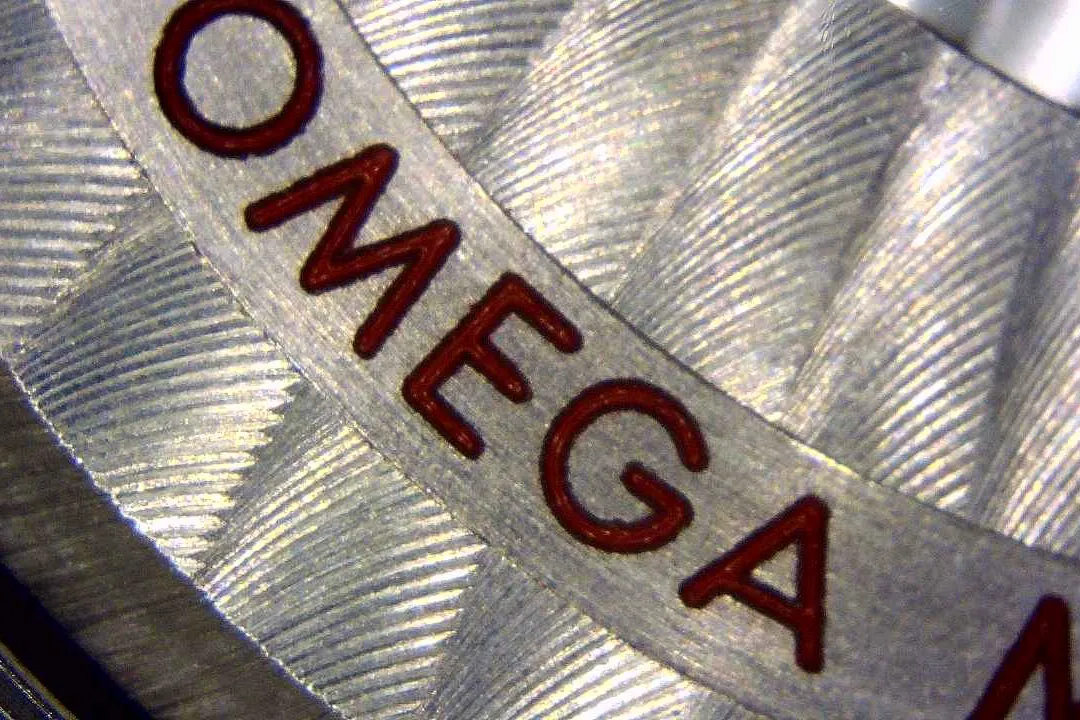
This is another "hidden" detail that separates the good from the great. Top-tier luxury watches are not just machines; they are pieces of art, and this is reflected in the hand-finishing applied to every component, even those you'll never see. Replica factories are focused on mass production and cost-efficiency. They apply decoration, but it lacks the soul and refinement of the real thing. The most obvious example of this is the "Côtes de Genève," or Geneva stripes, on the movement bridges.
A Tale of Two Finishes
On a genuine Rolex, these stripes are incredibly fine and delicate. They catch the light with a soft shimmer, and you often can't even count the individual lines. The goal is to create a beautiful, uniform texture. On a replica movement, the Geneva stripes are much more basic. They are clearly machined, with harsh, simple grooves that you can easily see and count. They look like simple decoration, whereas the genuine stripes look like a true expression of craftsmanship. This difference in finishing quality is a dead giveaway to anyone familiar with high-end watchmaking. It shows the gap between efficient replication and true horological art.
Does the Serial Number Engraving Give the Game Away?
You're inspecting every part of a superclone. The serial number is present between the lugs, but something about it feels different from the pictures of a genuine watch you've seen online.
Yes, the engraving is a tiny but important tell. Genuine Rolex engravings are deep and crisp with a "rough" feel. Replica engravings are shallower and smoother because they are laser-etched.
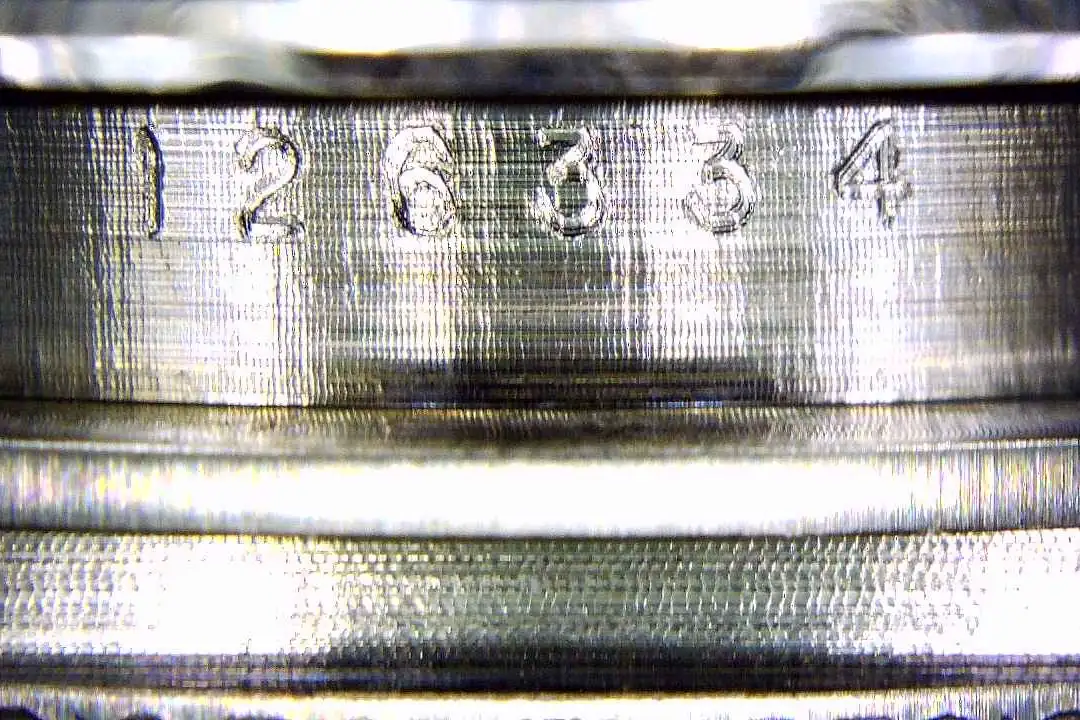
This is one of the few external tells that still exists, but it's very subtle. You would likely need a magnifying loupe and a genuine watch right next to it to be certain. The difference comes down to the manufacturing method used to apply the serial and model numbers to the case between the lugs. Rolex has a very specific, almost brutalist way of doing things, and it's hard to replicate that exact feel.
Stamped vs. Lasered: A Tiny But Telling Detail
Rolex uses a high-pressure machine to stamp or deeply engrave the numbers into the steel. This process creates very sharp, clean edges with a noticeable depth. If you run a fingernail over it, you can feel the bite of the engraving. It looks crisp and industrial. The replica factories, on the other hand, use a high-precision laser to etch the numbers onto the surface. While the font and placement are accurate, the result is different. The laser creates a much shallower engraving that often has a smooth, almost polished look at the bottom of the etching. It lacks the depth and the raw, sharp character of the genuine article. It is a very minor detail, but it is one of the last external tells that separates the best clones from the real deal.
Conclusion
Even top-tier replicas have tells in the engraving, internal finishing, and balance wheel. But these flaws are tiny and mostly hidden, making them incredible watches for the money.